H1: How to Select a Double End Tube Chamfering Machine: Complete Buying Guide Meta description: This buying guide covers key selection criteria including tube OD, wall thickness, length, material (carbon steel, stainless steel, aluminum), precision, output, auto feeding, facing function, real applications and FAQ for double end tube chamfering machines.
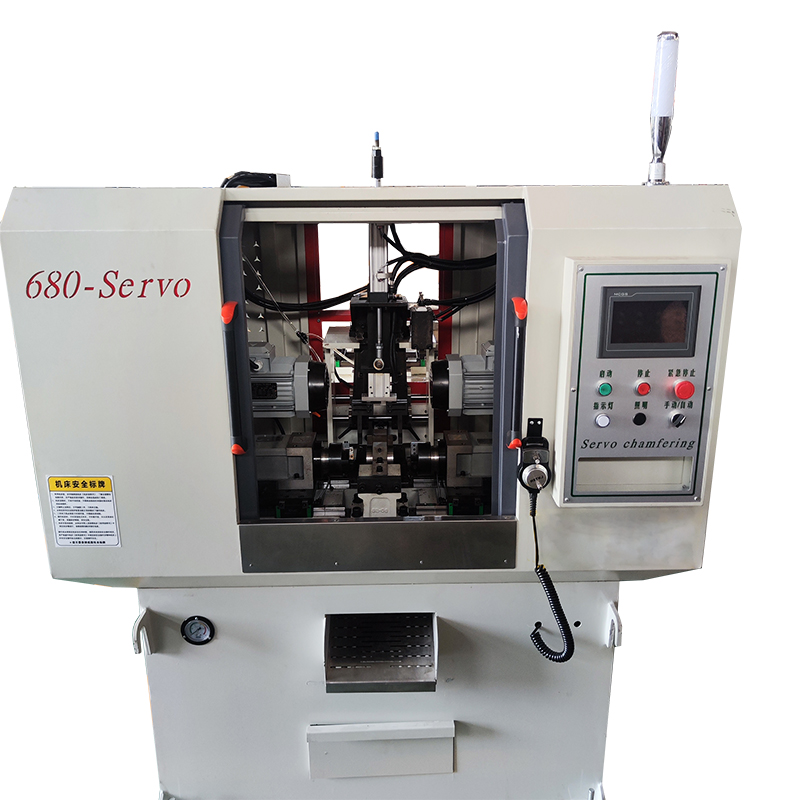
A double end tube chamfering machine is core equipment for pipe end finishing, used to machine inner chamfer, outer chamfer and flat facing on both ends of tubes in one cycle. It greatly improves consistency and throughput compared with single-head chamfering equipment. Many buyers struggle to match the right model to their production. This guide walks you through all critical factors before sending your RFQ.


Key Selection Dimensions
1. Tube Outer Diameter (OD) Range
The first parameter you must confirm is the minimum and maximum outer diameter of your tubes. Each chamfering machine has a fixed working range. If you process 42mm, 48mm tunnel spile pipes, choose a model that covers this interval. If you switch between small hydraulic tubes and large structural pipes, select a machine with a wider OD range and quick-change clamping molds. Running tubes outside the rated OD will cause unstable clamping, out-of-tolerance chamfer size or machine vibration.
2. Wall Thickness
Wall thickness directly decides clamping pressure, spindle power and tooling choice. Thin-wall tubes are easy to squeeze and deform during clamping, so you need a servo flexible clamping structure instead of rigid heavy hydraulic clamping. Thick-wall seamless steel pipes require higher spindle torque and stronger machine rigidity to avoid chatter marks. Always inform the supplier of your minimum and maximum wall thickness.
3. Workpiece Length
Check the adjustable distance between the two cutting heads. Standard models support short tubes from 20mm up to 1600mm, while customized versions can handle long pipes up to 6000mm. If you produce tunnel advance grouting pipes, you need to confirm whether the machine can match your finished tube length. Too long workpieces will need auxiliary roller supports to keep alignment.
4. Tube Material: Carbon Steel / Stainless Steel / Aluminum
Different metals require different spindle speed, feed rate and cutting tools:
- Carbon steel: The most common material. General pneumatic or servo chamfering machines with carbide inserts work well. It has good cutting performance and low tool wear.
- Stainless steel: Tough and sticky. It needs variable low-speed spindle, sharp coated carbide tools and stable cutting feed to prevent built-up edge and burrs.
- Aluminum tube: Soft material. High spindle speed, fine feed and polished cutting blades are required to get smooth surfaces without sticky aluminum chips.
Tell the supplier your main material, so they can configure the correct spindle and tool package for you.
5. Precision Requirements
Define your tolerance for finished length, chamfer angle and surface finish.
- Pneumatic models: Suitable for general construction pipes, normal tolerance for non-critical welding.
- Servo CNC double end chamfering machines: Length tolerance ±0.02mm, consistent chamfer angle, ideal for robotic welding, automotive tubing and high-precision hydraulic parts. If your downstream welding process demands zero gap and uniform bevel, servo type is the better option.
6. Production Output (Capacity)
Calculate your required pieces per minute or per shift. Small pneumatic machines usually run 15–25 pcs/min. High-speed servo models can reach 30–40 pcs/min. If you integrate the chamfering machine with a tube cutting machine, punching machine and taper forming machine for spile pipe production lines, you need the chamfering speed to match the whole line tact time to avoid bottlenecks.
7. Automatic Feeding or Manual Loading
- Manual loading: Low cost, for small batch production, frequent tube specification changes.
- Automatic feeding system: With storage rack, separation chute and auto ejection. It supports unattended operation, fits mass production. It can be linked with upstream cut-to-length machines for fully automatic pipe processing lines. Most tunnel grouting pipe factories choose auto feeding versions.
8. Whether End Facing (Flat Head) Is Needed
Many buyers confuse chamfering and facing.
- Only chamfer: Just remove sharp edges or cut welding bevel.
- Chamfer + Facing: The machine cuts flat, square tube ends at the same time as inner and outer chamfer. This guarantees consistent finished tube length, which is mandatory for prefabricated welding assemblies and tunnel spile pipes. Confirm if you require facing function before quotation, because the spindle and cutter holder structure is different.
Typical Application Scenarios
- Tunnel Advance Grouting Spile Pipe Production: 42mm / 48mm seamless steel pipe chamfering and facing before taper forming, widely used in mining and tunnel support projects.
- Metal Fabrication & Welding Shops: Pre-weld pipe end preparation for carbon steel, stainless steel structural pipes.
- Automotive Tube Parts: Precision fluid tubes, exhaust pipes, hydraulic fittings with tight tolerance.
- Aluminum Furniture & Frame Tube Processing: Decorative aluminum tubing with smooth burr-free edges.
- Conduit and Pipeline Manufacturing: Batch finishing of water, gas and electrical conduits.
FAQ
Q1: Can one machine process carbon steel, stainless steel and aluminum tubes?
A: Yes. The same machine frame can handle all three materials, but you need to change cutting parameters, spindle speed and tool inserts for each material. Stainless steel and aluminum usually require separate tooling.
Q2: What is the difference between pneumatic, hydraulic and servo double end chamfering machines?
A: Pneumatic is low-cost for normal precision; hydraulic provides stronger clamping force for thick pipes; servo CNC delivers the highest accuracy, flexible feeding and stable performance for thin-wall pipes and high-volume automatic lines.
Q3: Must I choose auto feeding?
A: No. Auto feeding is recommended for stable mass production. Manual loading is more flexible if you frequently switch tube sizes and have small orders.
Q4: Can this chamfering machine connect with a tube cutting machine and small pipe taper machine?
A: Yes. Servo chamfering machines support signal interaction with upstream cutters and downstream punching / taper forming machines, forming a complete automatic pipe processing line for tunnel spile pipes.
Q5: How to avoid thin wall tube deformation during chamfering?
A: Choose servo soft clamping, use customized arc contact molds, and reduce clamping pressure. Servo models are far better than ordinary hydraulic machines for thin-wall tube processing.
Q6: What information should I send to the supplier for an accurate quotation?
A: Tube OD range, wall thickness, tube length, material, whether facing is required, required precision, output demand, auto feeding or manual loading, and application.


Leave a Reply